About Design Muse

Design Muse provides a curated space for creatives seeking to deepen their understanding of art history. Our articles, exhibition reviews, and artist portfolios focus on the key movements that have defined modern and contemporary art. We aim to make complex ideas accessible without oversimplifying their cultural context. By highlighting the techniques, philosophies, and historical circumstances behind each movement, we help artists, designers, and students find meaningful connections between past innovations and current creative challenges.

Female artist in studio smiling in front of her vibrant sailboat painting, holding a palette.
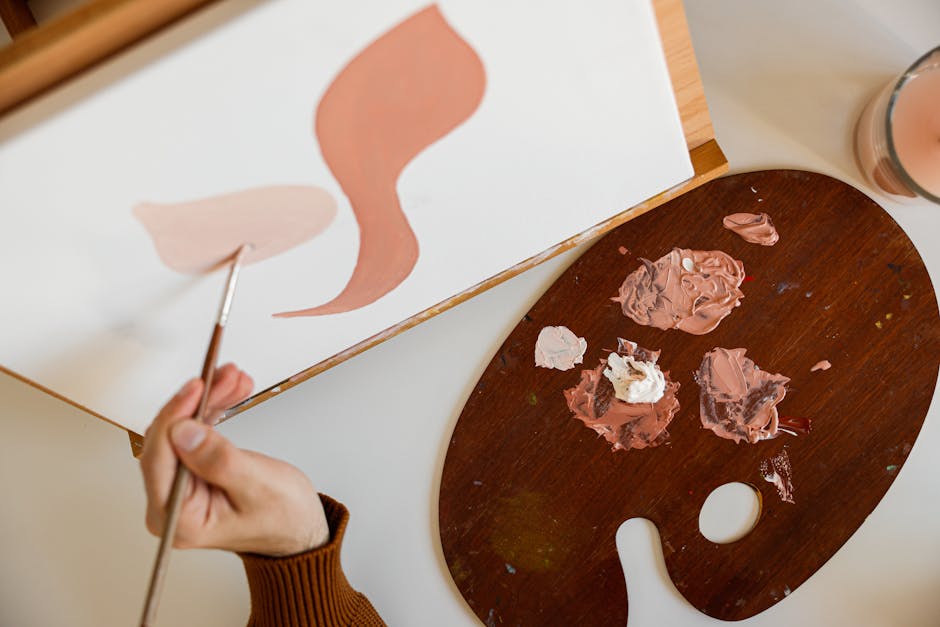
Close-up of an artist's hand painting abstract shapes with a palette on canvas.

Why Explore Art Movements?

Broaden Perspective

Understand how different eras approached form, color, and meaning in unique ways.

Discover Techniques

Learn the methods that defined movements like Pointillism and Dada.

Find Inspiration

Use historical ideas as a springboard for your own creative experiments.

Connect Context

See how social, political, and technological shifts shaped artistic expression.

The Value of Movement Studies

Studying art movements offers a framework for understanding why artists made certain choices. Each movement responds to its predecessors and to the world around it. By tracing these developments, creatives can identify recurring themes and evolving techniques. This knowledge does not prescribe a single path but provides a richer vocabulary for discussing and making art. It encourages a curious, analytical approach to both historical works and contemporary practice.

How to Approach an Art Movement

  • 01

    Identify the Movement

    Learn the defining characteristics and time period of each movement.

  • 02

    Meet Key Artists

    Explore the work and ideas of the most influential figures.

  • 03

    Analyze Representative Works

    Examine specific pieces that exemplify the movement's principles.

  • 04

    Connect to Today

    Consider how the movement's legacy appears in current art and design.

Modernism and Beyond

Modernism broke with tradition, embracing abstraction and subjective experience. Contemporary art, often starting around the 1960s, questions the very definition of art and expands into installation, performance, and digital media. The shift reflects a move from formal innovation to conceptual inquiry. Understanding this transition helps creatives see how artistic questions evolve—from 'how to represent' to 'what can be art?'

What Our Readers Say

Sophia V.

The movement overviews gave me a clear timeline I could actually follow. Perfect for someone new to art history.

James T.

I used the analyses to prepare a lecture on Surrealism. The examples were well-chosen and easy to explain.

Olivia K.

Design Muse helped me connect minimalist design principles to their roots in post-war art. Very insightful.

Stay in the Loop

Sign up for our newsletter to receive curated articles on art movements, exhibition reviews, and creative resources.

Subscribe to Updates

🎨 Design Muse
Design Muse offers educational articles, artist portfolios, and event calendars to help creatives explore modern and contemporary art movements.
Address: 520 West 27th Street, New York, NY
Contact: 212-846-7391

© 2026 Design Muse. All rights reserved.

We use cookies

We use cookies to ensure the proper functioning of the website, analyze traffic, and improve your experience. You can accept all cookies or reject them — the site will continue to operate. For more details, read our Cookie Policy.